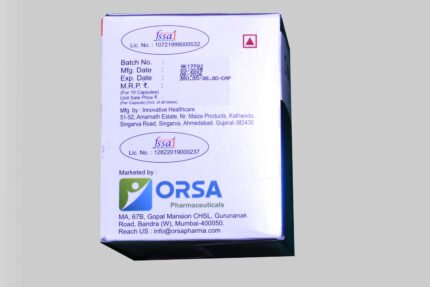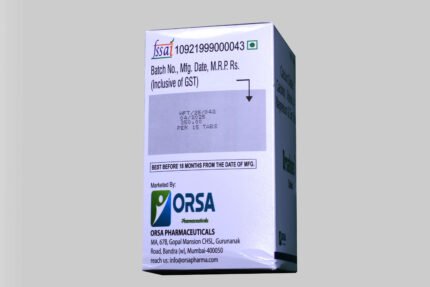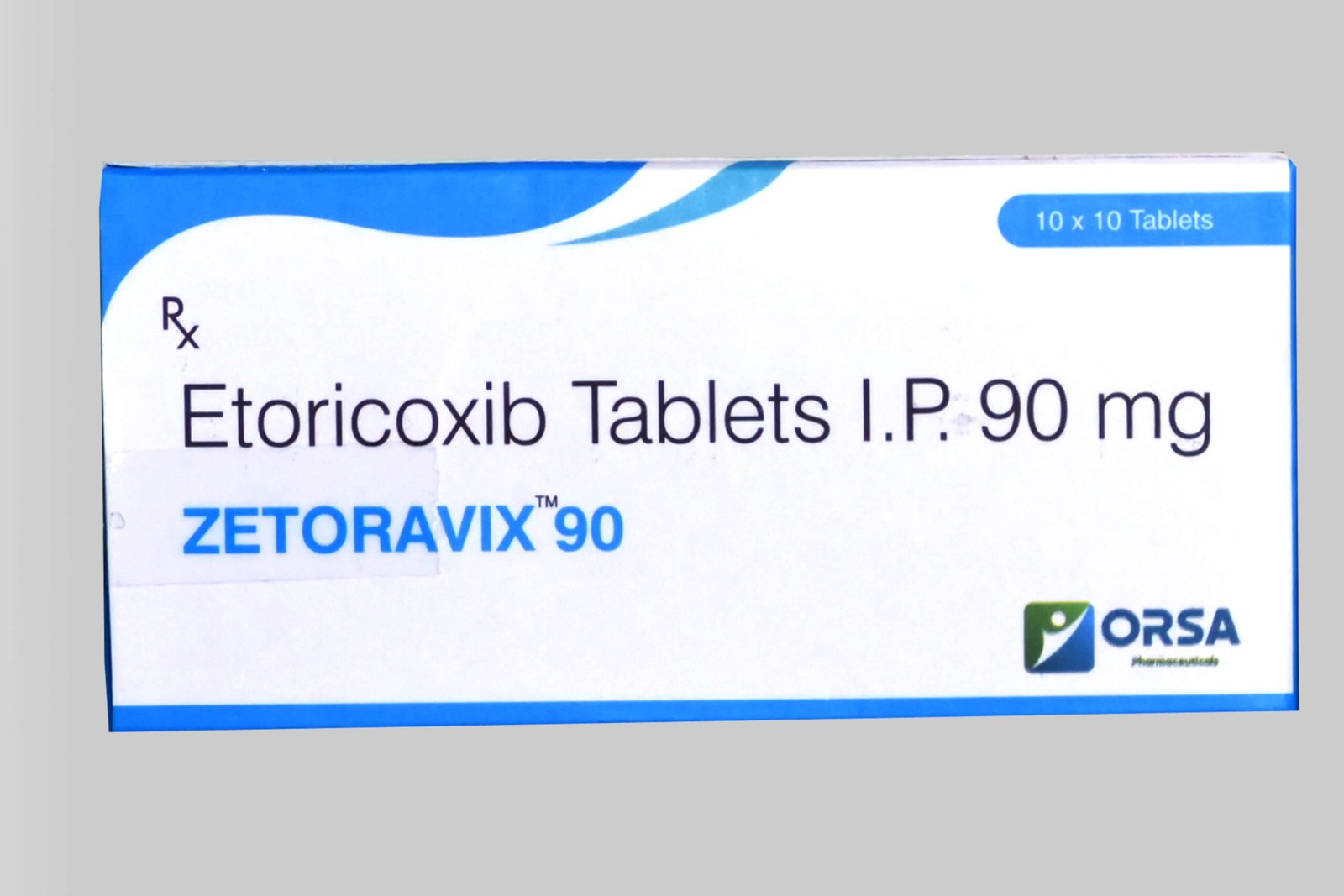
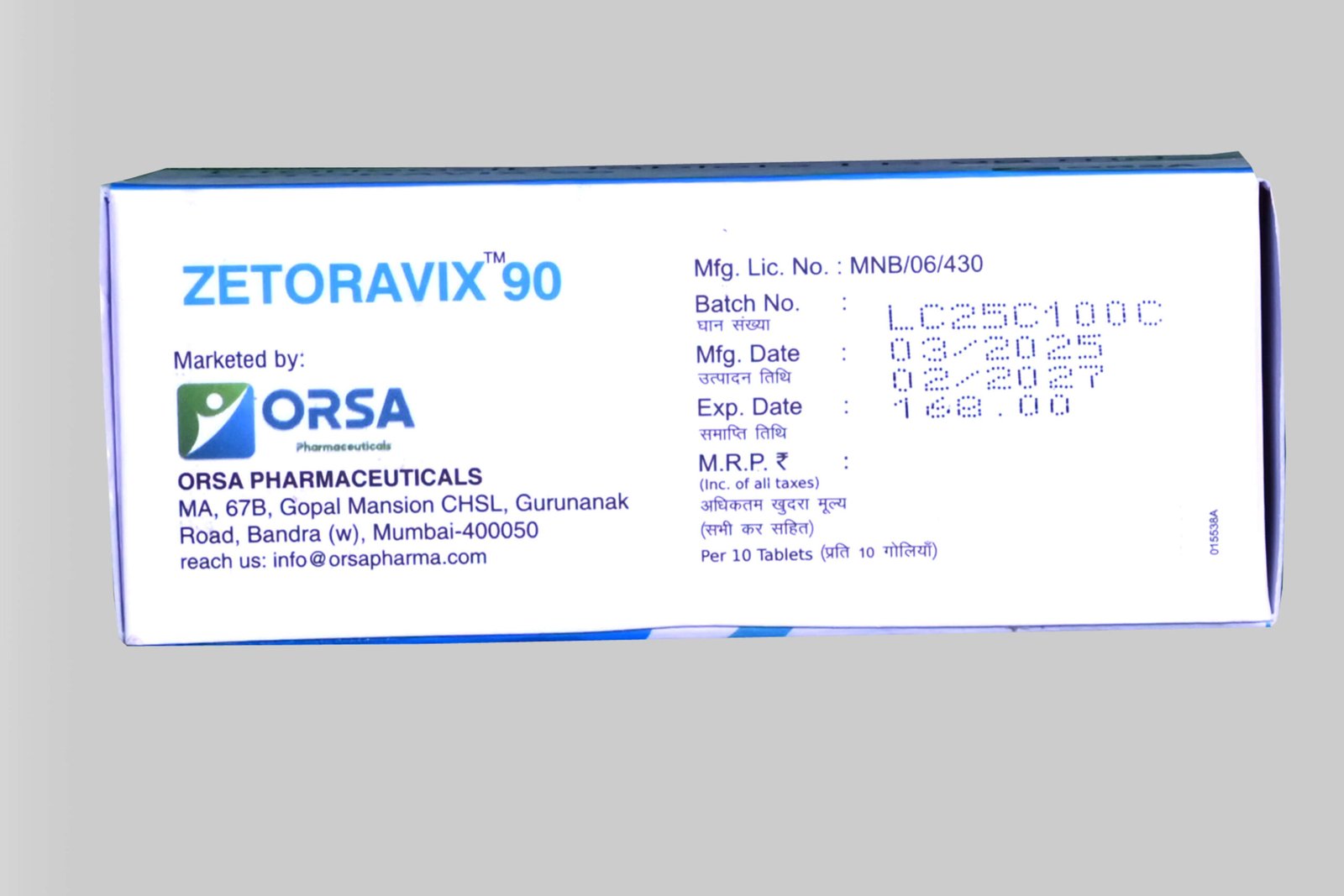
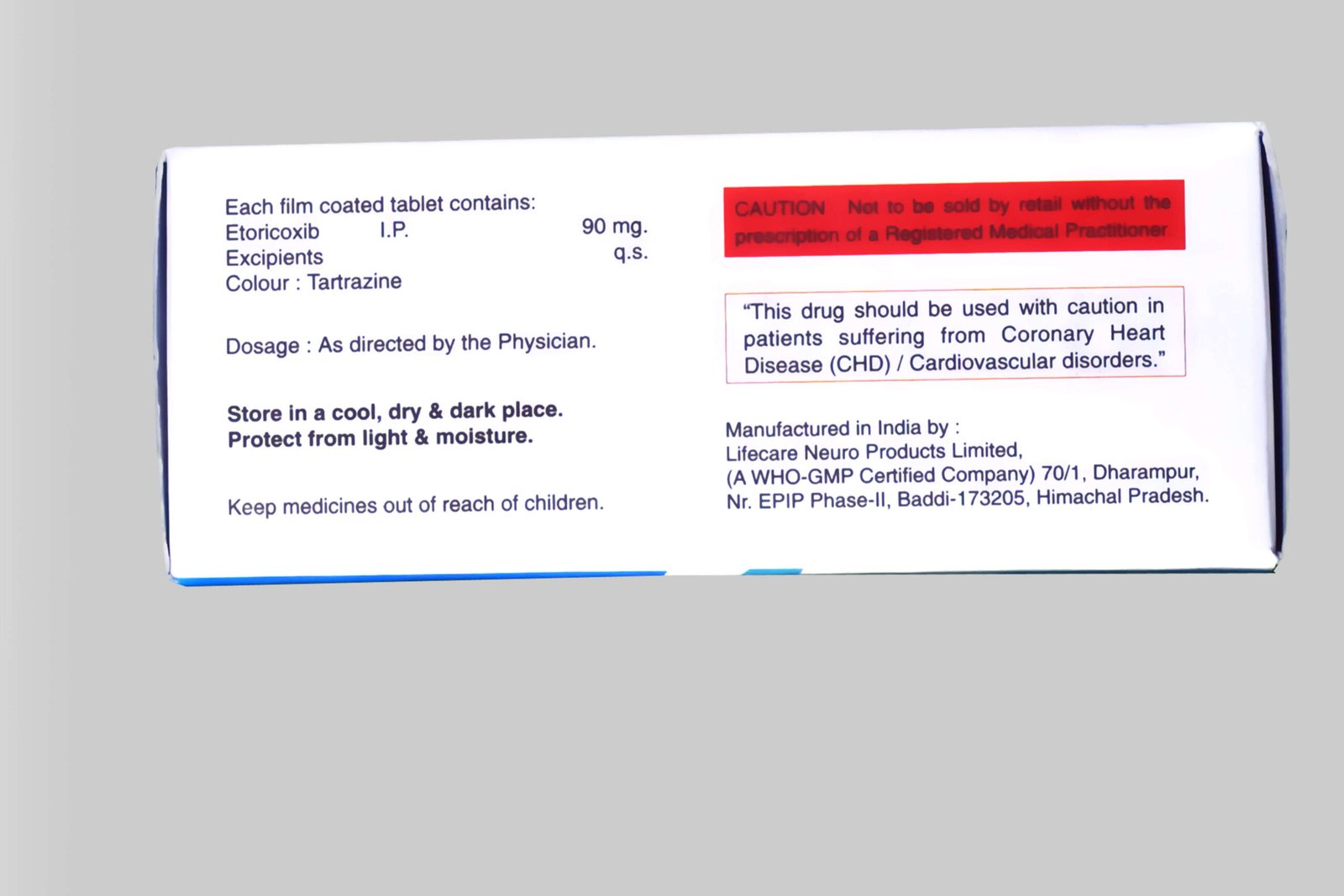
Zetoravix
Composition:
• Etoricoxib – 90 mg / 120 mg
Form: Tablet
Description:
Zetoravix is a selective COX-2 inhibitor used for the effective management of pain and
inflammation associated with various musculoskeletal and joint disorders.
• Etoricoxib provides targeted relief by selectively inhibiting the COX-2 enzyme, which is
responsible for the synthesis of pain- and inflammation-causing prostaglandins—while
sparing COX-1, thus reducing the risk of gastric side effects common with traditional
NSAIDs.
It is especially beneficial in conditions such as osteoarthritis, rheumatoid arthritis, ankylosing
spondylitis, acute gout, and postoperative dental or orthopedic pain.
| Composition |
Etoricoxib – 90 mg / 120 mg |
|---|---|
| Form |
Tablet |
Description
Key Benefits:
• Rapid and sustained pain relief
• Anti-inflammatory action with a lower risk of gastric irritation
• Once-daily dosing for improved compliance
• Well-suited for long-term use under supervision in chronic conditions
Dosage Guidance:
• 90 mg: Typically used for osteoarthritis, rheumatoid arthritis, and ankylosing spondylitis
• 120 mg: Used for acute pain, gout, and short-term management of post-surgical pain Use only as directed by a registered medical practitioner.
Storage:
Store in a cool, dry place below 30°C. Keep away from moisture and direct sunlight.
Adverse Effects
Zetoravix (Etoricoxib) is a selective COX-2 inhibitor and is generally better tolerated than traditional NSAIDs. However, it may still cause side effects, especially in long-term or high-dose use.
Major Side Effects (Seek immediate medical attention if these occur):
• Increased blood pressure or hypertensive crisis
• Chest pain, shortness of breath, or signs of heart attack
• Stroke-like symptoms (sudden weakness, trouble speaking, vision issues)
• Severe skin reactions (Stevens-Johnson syndrome, toxic epidermal necrolysis – rare)
• Gastrointestinal bleeding, ulcers, or perforation
• Liver enzyme elevation or hepatitis (jaundice, dark urine, fatigue)
• Kidney dysfunction (swelling, reduced urination)
Minor Side Effects (Common and often mild):
• Headache or dizziness
• Nausea, heartburn, or abdominal discomfort
• Diarrhea or constipation
• Swelling of legs or feet (fluid retention)
• Mild rash or skin irritation
• Drowsiness or fatigue
Precautions:
• Not recommended for individuals with uncontrolled hypertension, active ulcers, or serious cardiovascular disease
• Use with caution in patients with kidney or liver impairment
• Not advised during pregnancy or lactation
• Should be used at the lowest effective dose for the shortest possible duration